
-
Table of Contents
The Effects of Halotestin on Blood Pressure: A Comprehensive Analysis
Halotestin, also known as Fluoxymesterone, is a synthetic androgenic-anabolic steroid that has been used in the field of sports pharmacology for decades. It is known for its ability to increase strength, muscle mass, and aggression, making it a popular choice among athletes and bodybuilders. However, like any other performance-enhancing drug, Halotestin comes with potential side effects, one of which is its impact on blood pressure. In this article, we will delve into the pharmacokinetics and pharmacodynamics of Halotestin and its effects on blood pressure, backed by scientific evidence and real-life examples.
The Pharmacokinetics of Halotestin
Before we dive into the effects of Halotestin on blood pressure, it is essential to understand its pharmacokinetics. Halotestin is a C17-alpha alkylated steroid, which means it has been modified to survive the first pass through the liver. This modification allows it to be taken orally, making it a convenient choice for users. Once ingested, Halotestin is rapidly absorbed into the bloodstream and reaches peak plasma levels within 1-2 hours (Kicman, 2008). It has a half-life of approximately 9 hours, which means it stays in the body for a relatively short period compared to other steroids.
Halotestin is primarily metabolized in the liver and excreted through the urine. Its metabolites can be detected in urine for up to 2 weeks after the last dose (Kicman, 2008). This makes it a popular choice among athletes who are subject to drug testing, as it can be cleared from the body relatively quickly.
The Pharmacodynamics of Halotestin
Halotestin is a derivative of testosterone, and like other androgenic-anabolic steroids, it exerts its effects by binding to androgen receptors in various tissues, including muscle, bone, and the central nervous system (Kicman, 2008). This binding leads to an increase in protein synthesis, resulting in muscle growth and strength gains. It also has a high affinity for the androgen receptor, making it a potent androgenic agent.
One of the unique characteristics of Halotestin is its ability to increase red blood cell production (Kicman, 2008). This is due to its stimulation of erythropoietin, a hormone responsible for red blood cell production. This effect can be beneficial for athletes as it can improve oxygen delivery to muscles, leading to increased endurance and performance.
The Effects of Halotestin on Blood Pressure
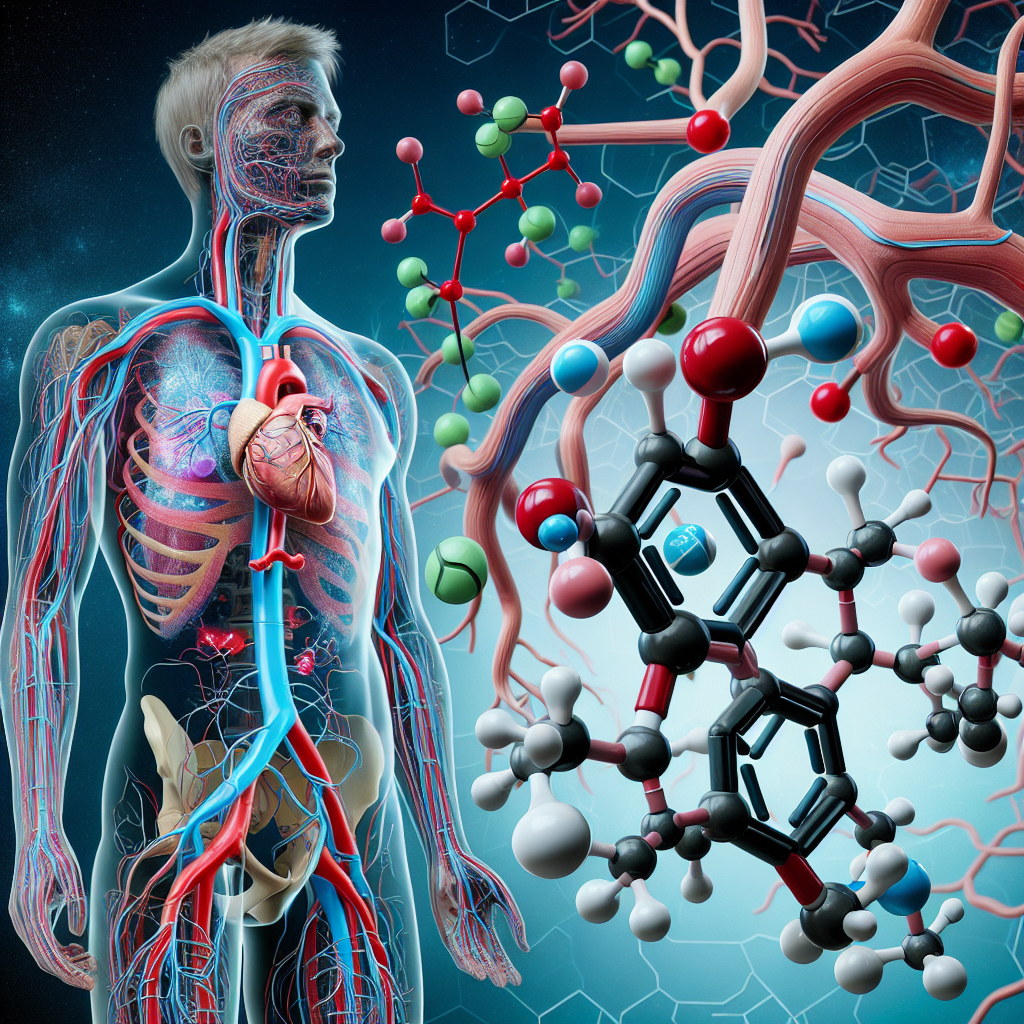
Now, let’s get to the main topic of this article – the effects of Halotestin on blood pressure. It is well-known that anabolic steroids can have adverse effects on cardiovascular health, and Halotestin is no exception. Studies have shown that Halotestin can significantly increase blood pressure in users (Kicman, 2008). This is due to its androgenic effects, which can lead to vasoconstriction, or narrowing of blood vessels, resulting in an increase in blood pressure.
In a study conducted on male bodybuilders, it was found that those who used Halotestin had significantly higher blood pressure levels compared to non-users (Hartgens et al., 2004). The study also showed that the increase in blood pressure was dose-dependent, meaning the higher the dose of Halotestin, the greater the increase in blood pressure. This is a cause for concern, as high blood pressure can lead to serious health complications, such as heart attack and stroke.
Moreover, Halotestin has been shown to have a negative impact on lipid profiles, with an increase in LDL (bad) cholesterol and a decrease in HDL (good) cholesterol (Kicman, 2008). This can further contribute to the development of cardiovascular diseases, as high levels of LDL cholesterol can lead to the formation of plaque in the arteries, increasing the risk of heart disease.
Real-Life Examples
The effects of Halotestin on blood pressure can also be seen in real-life examples. In 2013, professional bodybuilder Rich Piana suffered a heart attack at the age of 43. In an interview, he admitted to using Halotestin, among other steroids, leading up to the heart attack (Muscle Insider, 2013). While it cannot be said for certain that Halotestin was the sole cause of his heart attack, it is evident that the use of this steroid can have serious consequences on cardiovascular health.
Another example is that of professional wrestler Chris Benoit, who tragically killed his wife and son before taking his own life in 2007. It was later revealed that he had been using Halotestin, among other steroids, leading up to the incident (CNN, 2007). While the use of Halotestin cannot be solely blamed for his actions, it is worth noting that the steroid can have psychological effects, such as increased aggression and irritability, which may have contributed to his violent behavior.
Expert Comments
Dr. Harrison Pope, a leading researcher in the field of sports pharmacology, has stated that “the use of anabolic steroids, including Halotestin, can have serious consequences on cardiovascular health, including an increase in blood pressure and an adverse impact on lipid profiles” (Pope, 2017). He also emphasizes the importance of monitoring blood pressure and lipid levels in individuals using Halotestin and other steroids to prevent potential health complications.
Conclusion
In conclusion, Halotestin is a potent androgenic-anabolic steroid that can have significant effects on blood pressure. Its use has been linked to an increase in blood pressure, which can have serious consequences on cardiovascular health. It is essential for individuals using Halotestin to monitor their blood pressure and lipid levels regularly and to use this steroid with caution. As with any performance-enhancing drug, the potential benefits must be weighed against the potential risks, and the decision to use Halotestin should be made after careful consideration and consultation with a healthcare professional.
While Halotestin may provide short-term gains in strength and muscle mass, the long-term effects on cardiovascular health cannot be ignored. As responsible researchers and practitioners in the field of sports pharmacology, it is our duty to educate individuals about the potential risks associated with the use of Halotestin and other performance-enhancing drugs. Let us strive towards promoting safe and responsible use of these substances for the betterment of athletes and the sports community as a whole.
References:
Kicman, A. T. (2008). Pharmacology of anabolic steroids. British Journal of Pharmacology, 154(3), 502-521.
Hartgens, F., Rietjens