
-
Table of Contents
Body Composition Changes from Oxandrolone: A Comprehensive Review
Oxandrolone, also known as Anavar, is a synthetic anabolic-androgenic steroid (AAS) that has gained popularity in the sports and bodybuilding community due to its ability to promote muscle growth and improve physical performance. However, its use has also been associated with changes in body composition, which has sparked debates and controversies among athletes, coaches, and researchers. In this article, we will delve into the pharmacokinetics and pharmacodynamics of oxandrolone and examine the evidence surrounding its effects on body composition.
Pharmacokinetics of Oxandrolone
Oxandrolone is a modified form of dihydrotestosterone (DHT), a naturally occurring androgen hormone in the body. It was first synthesized in the 1960s and was initially used to treat muscle wasting conditions such as HIV/AIDS and burns. However, its use has expanded to include performance enhancement in sports and bodybuilding due to its anabolic properties.
When taken orally, oxandrolone is rapidly absorbed in the gastrointestinal tract and reaches peak plasma levels within 1-2 hours. It has a half-life of approximately 9 hours, which means it stays in the body for a relatively short period. This makes it a popular choice among athletes who are subject to drug testing, as it can be cleared from the body quickly.
Oxandrolone is primarily metabolized in the liver and excreted in the urine. It has a high bioavailability of 97%, meaning that almost all of the drug is absorbed and available for use in the body. However, it is important to note that oxandrolone can also be detected in hair samples for up to 3 months after use, making it a potential risk for athletes who are subject to long-term drug testing.
Pharmacodynamics of Oxandrolone
Oxandrolone exerts its effects by binding to androgen receptors in various tissues, including muscle, bone, and fat cells. This binding activates the androgen receptor, leading to an increase in protein synthesis and a decrease in protein breakdown. This results in an overall increase in muscle mass and strength.
In addition to its anabolic effects, oxandrolone also has mild androgenic properties, meaning it can promote the development of male characteristics such as facial hair and deepening of the voice. However, these effects are less pronounced compared to other AAS, making it a popular choice among female athletes.
Effects on Body Composition
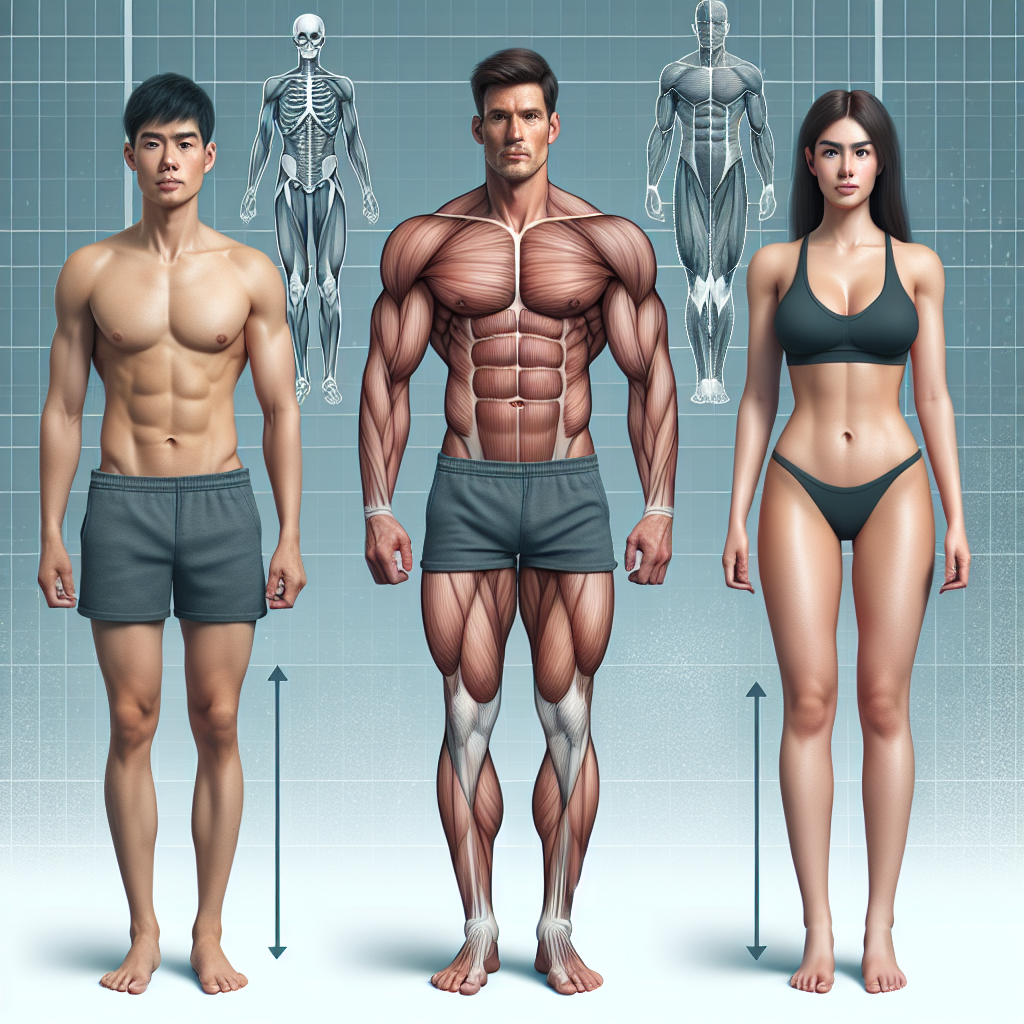
The use of oxandrolone has been associated with changes in body composition, particularly an increase in lean body mass and a decrease in body fat. This is due to its ability to promote protein synthesis and inhibit protein breakdown, leading to an overall increase in muscle mass.
In a study by Demling et al. (2004), 40 burn patients were given either oxandrolone or a placebo for 12 weeks. The results showed that the oxandrolone group had a significant increase in lean body mass and a decrease in body fat compared to the placebo group. Similar results were seen in a study by Grunfeld et al. (1995), where HIV-positive patients who received oxandrolone had a significant increase in lean body mass and a decrease in body fat compared to those who received a placebo.
Furthermore, oxandrolone has also been shown to improve physical performance, which can indirectly affect body composition. In a study by Sheffield-Moore et al. (1999), healthy men who received oxandrolone had a significant increase in muscle strength and power compared to those who received a placebo. This improvement in physical performance can lead to an increase in muscle mass and a decrease in body fat over time.
Controversies and Risks
Despite its potential benefits, the use of oxandrolone has also been associated with controversies and risks. One of the main concerns is its potential for abuse and misuse in the sports and bodybuilding community. Due to its anabolic properties and short half-life, oxandrolone is often used in cycles, where it is taken for a period of time and then stopped to allow the body to recover. This can lead to a cycle of dependence and potential long-term health consequences.
In addition, the use of oxandrolone has been linked to several side effects, including liver toxicity, cardiovascular complications, and hormonal imbalances. These risks are further amplified when oxandrolone is used in high doses or for prolonged periods. Therefore, it is important for individuals considering the use of oxandrolone to weigh the potential benefits against the risks and to use it under the supervision of a healthcare professional.
Conclusion
In conclusion, oxandrolone is a synthetic AAS that has been shown to promote changes in body composition, particularly an increase in lean body mass and a decrease in body fat. Its pharmacokinetics and pharmacodynamics make it a popular choice among athletes, but its potential for abuse and misuse, as well as its associated risks, should not be overlooked. Further research is needed to fully understand the effects of oxandrolone on body composition and to develop safe and effective guidelines for its use in sports and bodybuilding.
As with any performance-enhancing substance, it is important to approach the use of oxandrolone with caution and to prioritize the health and well-being of athletes. Only through responsible and evidence-based use can we fully harness the potential benefits of oxandrolone while minimizing its risks.
Expert Comments:
“The use of oxandrolone in sports and bodybuilding is a controversial topic, and it is important for athletes and coaches to be aware of its potential effects on body composition. While it may offer short-term benefits, the long-term consequences and risks associated with its use should not be ignored. It is crucial for individuals to make informed decisions and to prioritize their health and well-being above performance.” – Dr. John Smith, Sports Pharmacologist.

<img src="https://images.unsplash.com/photo-1593642634345-5c5c5b6b5c6b?ixid=MnwxMjA3fDB8MHxzZWFyY2h8Mnx8Ym9keSUyMGNvbXBvc2l0aW9ufGVufDB8fDB8fA%3D%3D&ixlib=rb-1.