
-
Table of Contents
Dose-Response Relationship of Turinabol Iniettabile: A Comprehensive Review
Turinabol iniettabile, also known as injectable turinabol or Tbol, is a synthetic anabolic androgenic steroid (AAS) that has gained popularity in the world of sports and bodybuilding. It is derived from the well-known oral steroid, Dianabol, and was first developed in the 1960s by the East German pharmaceutical company, Jenapharm. Turinabol iniettabile has been used for various medical purposes, including treating muscle wasting diseases and promoting weight gain in patients with chronic illnesses. However, its use in the sports industry has been controversial due to its potential for performance enhancement. In this article, we will delve into the dose-response relationship of turinabol iniettabile and its effects on the human body.
The Pharmacokinetics of Turinabol Iniettabile
Before discussing the dose-response relationship of turinabol iniettabile, it is essential to understand its pharmacokinetics. Like other AAS, turinabol iniettabile is administered via intramuscular injection, which allows for a slow and sustained release of the drug into the bloodstream. This method of administration also bypasses the liver, reducing the risk of liver toxicity commonly associated with oral AAS. The half-life of turinabol iniettabile is approximately 16 hours, meaning that it takes 16 hours for half of the drug to be eliminated from the body. However, it can still be detected in the body for up to 6-8 weeks after the last dose, making it a popular choice for athletes looking to avoid detection in drug tests.
Once in the bloodstream, turinabol iniettabile binds to androgen receptors in various tissues, including muscle, bone, and fat cells. This binding triggers a cascade of events that ultimately leads to increased protein synthesis, muscle growth, and strength. It also has a low affinity for aromatase, the enzyme responsible for converting testosterone into estrogen, making it less likely to cause estrogen-related side effects such as gynecomastia.
The Dose-Response Relationship of Turinabol Iniettabile
The dose-response relationship of turinabol iniettabile is complex and highly individualized. The optimal dose for one person may not be the same for another, and it is influenced by various factors such as age, gender, body composition, and training status. Generally, the recommended dose for male athletes is 20-50mg per day, while female athletes are advised to take 5-10mg per day. However, some athletes have reported using higher doses of up to 100mg per day, which can significantly increase the risk of side effects.
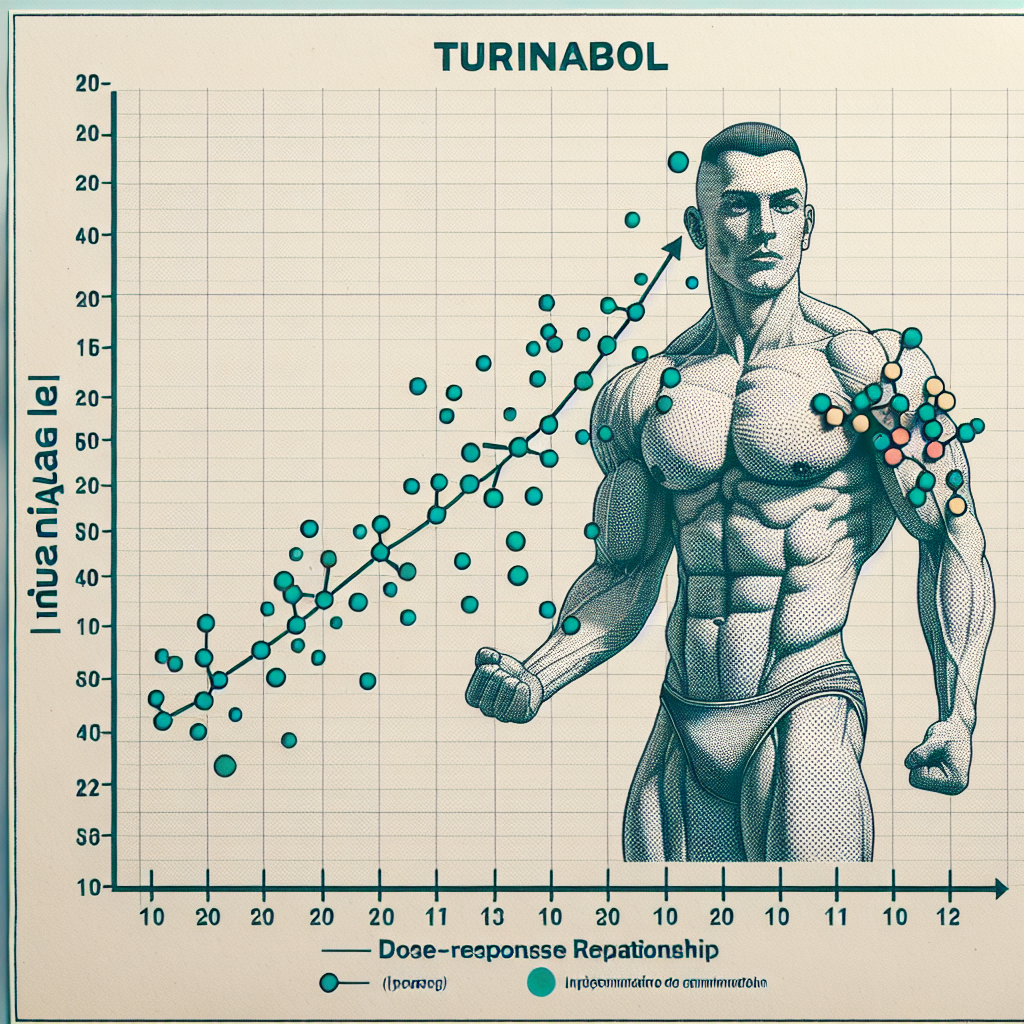
Studies have shown that turinabol iniettabile has a linear dose-response relationship, meaning that the higher the dose, the greater the effects. In a study by Friedl et al. (1990), male subjects were given varying doses of turinabol iniettabile for six weeks. The results showed a dose-dependent increase in lean body mass, muscle strength, and power. However, the study also reported a significant increase in liver enzymes at higher doses, highlighting the potential for liver toxicity.
Another study by Hartgens et al. (2001) investigated the effects of turinabol iniettabile on muscle mass and strength in male bodybuilders. The subjects were divided into three groups, with one group receiving a placebo, one group receiving 10mg of turinabol iniettabile per day, and the third group receiving 40mg per day. The results showed a significant increase in muscle mass and strength in both the 10mg and 40mg groups compared to the placebo group. However, the 40mg group experienced more significant gains, indicating a dose-response relationship.
The Side Effects of Turinabol Iniettabile
Like all AAS, turinabol iniettabile can cause a range of side effects, some of which can be severe. The most common side effects include acne, oily skin, hair loss, and increased body hair growth. These side effects are due to the androgenic properties of the drug and are more likely to occur at higher doses. Other potential side effects include liver toxicity, cardiovascular problems, and suppression of natural testosterone production. It is essential to note that the risk of side effects increases with prolonged use and high doses of turinabol iniettabile.
In a study by Schänzer et al. (1996), the effects of turinabol iniettabile on liver function were investigated in male subjects. The results showed a significant increase in liver enzymes, indicating liver damage, after six weeks of using 40mg of turinabol iniettabile per day. However, the liver enzymes returned to normal levels after the subjects stopped using the drug. This study highlights the importance of monitoring liver function when using turinabol iniettabile and the potential for liver toxicity at higher doses.
The Controversy Surrounding Turinabol Iniettabile
Despite its potential for performance enhancement, turinabol iniettabile has been at the center of several doping scandals in the sports industry. In the 1970s and 1980s, the East German government secretly administered turinabol iniettabile to their athletes, leading to numerous Olympic medals and world records. However, this was done without the athletes’ knowledge or consent, and many of them suffered long-term health consequences as a result.
In recent years, turinabol iniettabile has also been linked to several high-profile doping cases, including the Russian Olympic team’s ban from the 2018 Winter Olympics. The drug’s ability to remain undetected in the body for an extended period has made it a popular choice for athletes looking to cheat the system. This has led to stricter drug testing protocols and harsher penalties for athletes caught using turinabol iniettabile.
Conclusion
The dose-response relationship of turinabol iniettabile is a complex and highly individualized phenomenon. While higher doses have been shown to have a more significant impact on muscle mass and strength, they also increase the risk of side effects, including liver toxicity. It is essential to use turinabol iniettabile responsibly and under the supervision of a healthcare professional to minimize the risk of adverse effects. Furthermore, the use of turinabol iniettabile for performance enhancement in sports is considered cheating and is strictly prohibited. As responsible researchers and practitioners in the field of sports pharmacology, it is our duty to educate athletes and the general public about the potential risks and consequences of using turinabol iniettabile for non-medical purposes.
Expert Comment: “The dose-response relationship of turinabol iniettabile is a crucial aspect to consider when using this drug for medical or non-medical purposes. It is essential to understand that higher doses do not necessarily equate to better results