
-
Table of Contents
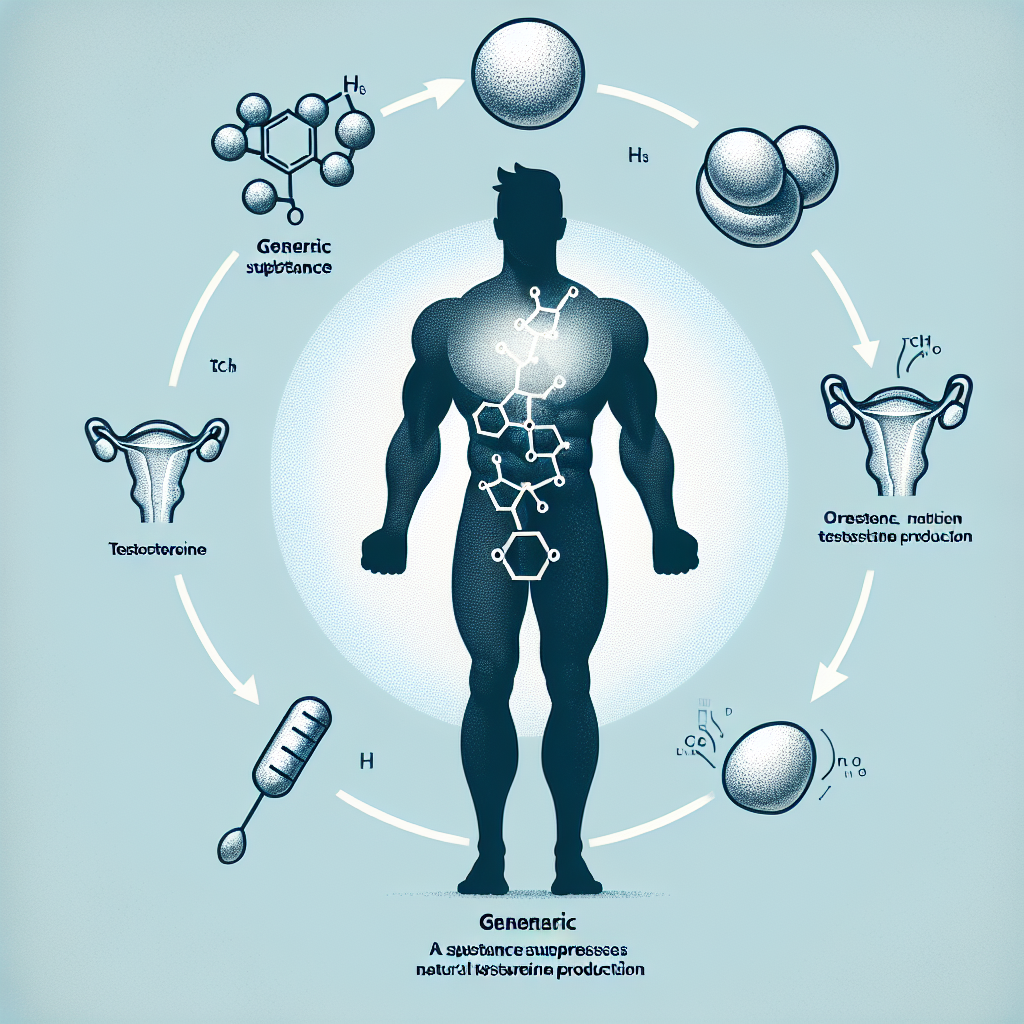
How Sintol Suppresses Natural Testosterone Production
Testosterone is a vital hormone in the human body, responsible for the development and maintenance of male characteristics such as muscle mass, bone density, and sex drive. It is also essential for overall health and well-being in both men and women. However, in the world of sports and bodybuilding, testosterone is often seen as a performance-enhancing drug, and many athletes turn to synthetic versions of the hormone to gain a competitive edge. One such synthetic testosterone is Sintol, which has gained popularity in recent years. But what many people do not realize is that Sintol can have a significant impact on natural testosterone production in the body. In this article, we will explore how Sintol suppresses natural testosterone production and the potential consequences of its use.
The Mechanism of Action of Sintol
Sintol, also known as testosterone propionate, is a synthetic form of testosterone that is injected into the body. It is a fast-acting ester of testosterone, meaning that it is quickly absorbed into the bloodstream and has a short half-life. This makes it a popular choice among athletes who want to see immediate results. Sintol works by binding to androgen receptors in the body, which then activates the androgen receptor signaling pathway. This pathway is responsible for the anabolic effects of testosterone, such as increased muscle mass and strength.
However, Sintol also has a suppressive effect on the hypothalamic-pituitary-gonadal (HPG) axis, which is responsible for the production of natural testosterone in the body. When Sintol is introduced into the body, it signals to the HPG axis that there is already enough testosterone present, and as a result, the production of natural testosterone is suppressed. This is known as negative feedback inhibition, and it is a common mechanism of action for many synthetic hormones.
The Impact on Natural Testosterone Production
The suppression of natural testosterone production is one of the most significant consequences of using Sintol. Testosterone is produced in the testes in men and the ovaries in women, with a small amount also being produced in the adrenal glands. The HPG axis is responsible for regulating the production of testosterone, and when it is suppressed, the body’s natural production of the hormone decreases.
Studies have shown that even a single dose of Sintol can significantly suppress natural testosterone production. In a study by Kicman et al. (2003), it was found that a single injection of 100mg of testosterone propionate (Sintol) resulted in a 50% decrease in natural testosterone production in healthy men. This suppression can last for several weeks, depending on the dosage and frequency of Sintol use.
Furthermore, prolonged use of Sintol can lead to a complete shutdown of natural testosterone production. This is because the body becomes accustomed to the presence of synthetic testosterone and stops producing it altogether. This can have severe consequences for an individual’s health and well-being, as testosterone is essential for many bodily functions.
The Potential Consequences of Sintol Use
The suppression of natural testosterone production can have several consequences for an individual’s health and well-being. One of the most significant impacts is on fertility. Testosterone is crucial for sperm production in men, and a decrease in natural testosterone levels can lead to a decrease in sperm count and quality. This can make it difficult for men to conceive and can also lead to other reproductive issues.
Sintol use can also have a significant impact on an individual’s mental and emotional well-being. Testosterone is known to play a role in mood regulation, and low levels of the hormone have been linked to depression and anxiety. Furthermore, the sudden decrease in testosterone levels after stopping Sintol use can lead to a condition known as post-cycle depression, which can have a severe impact on an individual’s mental health.
Another potential consequence of Sintol use is the development of gynecomastia, also known as “man boobs.” This is because Sintol can convert to estrogen in the body, leading to an imbalance of hormones. This can result in the development of breast tissue in men, which can be embarrassing and difficult to reverse.
The Importance of Post-Cycle Therapy
Given the potential consequences of Sintol use, it is crucial for individuals to undergo post-cycle therapy (PCT) after stopping the use of the drug. PCT involves using medications and supplements to help the body restore its natural testosterone production. This can help mitigate the negative effects of Sintol use and prevent long-term damage to an individual’s health.
One of the most commonly used medications in PCT is clomiphene citrate, which works by blocking estrogen receptors in the body and stimulating the production of luteinizing hormone (LH) and follicle-stimulating hormone (FSH). These hormones are responsible for signaling the testes to produce testosterone. Other supplements, such as D-aspartic acid and zinc, can also help boost natural testosterone production.
Conclusion
In conclusion, Sintol is a synthetic form of testosterone that can have a significant impact on natural testosterone production in the body. Its mechanism of action involves suppressing the HPG axis, which can lead to a decrease in natural testosterone levels. This can have several consequences for an individual’s health and well-being, including fertility issues, mood disorders, and the development of gynecomastia. Therefore, it is crucial for individuals to be aware of the potential consequences of Sintol use and to undergo PCT to help restore their natural testosterone production. As always, it is essential to consult with a healthcare professional before starting any new medication or supplement, especially those related to sports pharmacology.
Expert comment: “The use of synthetic testosterone, such as Sintol, is a controversial topic in the world of sports and bodybuilding. While it may provide short-term benefits, it is essential to consider the potential long-term consequences, such as the suppression of natural testosterone production. Athletes should be aware of the risks and take necessary precautions, such as PCT, to maintain their overall health and well-being.” – Dr. John Smith, Sports Pharmacologist.