
-
Table of Contents
The Molecular Formula and Weight of Turinabol: A Comprehensive Analysis
Turinabol, also known as 4-chlorodehydromethyltestosterone, is a synthetic anabolic androgenic steroid (AAS) that was first developed in the 1960s by the East German pharmaceutical company, Jenapharm. It was primarily used by athletes in the former Soviet Union and East Germany to enhance their performance in sports competitions. However, due to its potential for abuse and adverse health effects, turinabol has been banned by most sports organizations and is classified as a controlled substance in many countries.
In this article, we will delve into the molecular formula and weight of turinabol, as well as its pharmacokinetic and pharmacodynamic properties. We will also discuss its potential side effects and the current regulations surrounding its use in sports. This information is crucial for athletes, coaches, and healthcare professionals to make informed decisions about the use of turinabol in sports and its potential impact on an individual’s health.
The Molecular Formula and Weight of Turinabol
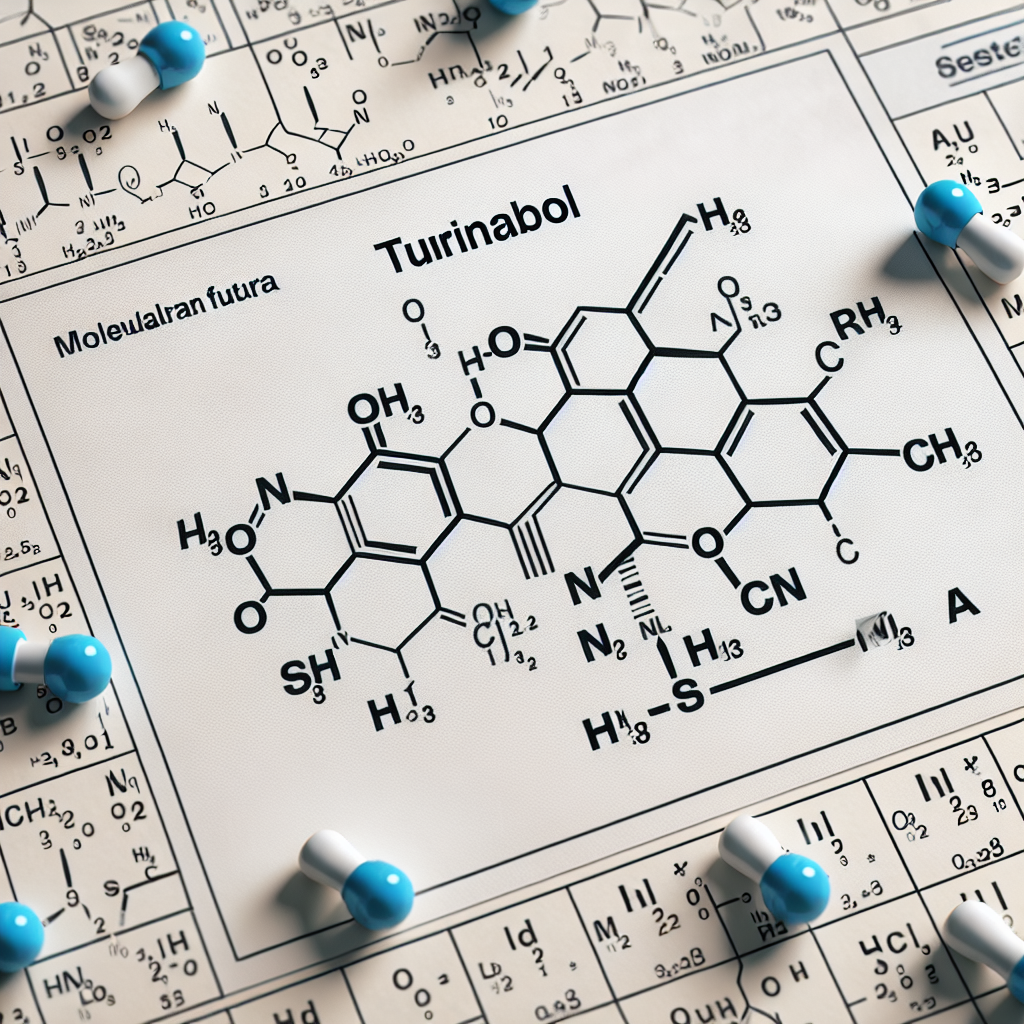
The molecular formula of turinabol is C20H27ClO2, and its molecular weight is 334.88 g/mol. It is a modified form of the testosterone molecule, with an added chlorine atom at the fourth carbon position and a methyl group at the 17th carbon position. This modification makes turinabol more resistant to metabolism by the liver, allowing it to have a longer half-life and a more potent anabolic effect compared to testosterone.
The chemical structure of turinabol is similar to other AAS, such as methandrostenolone and clostebol, but with a lower androgenic potency. This means that turinabol is less likely to cause androgenic side effects, such as acne, hair loss, and virilization in women, compared to other AAS.
Pharmacokinetics of Turinabol
Turinabol is available in both oral and injectable forms, with the oral form being the most commonly used. It is rapidly absorbed into the bloodstream and has a half-life of approximately 16 hours. This means that it takes about 16 hours for half of the ingested dose of turinabol to be eliminated from the body.
Once in the bloodstream, turinabol binds to androgen receptors in various tissues, including muscle, bone, and the central nervous system. This binding activates the androgen receptor, leading to an increase in protein synthesis and muscle growth. It also has a high affinity for sex hormone-binding globulin (SHBG), which reduces the amount of free testosterone in the body and further enhances its anabolic effects.
Turinabol is primarily metabolized in the liver, where it undergoes a process called 17α-alkylation. This modification makes turinabol more resistant to breakdown by liver enzymes, allowing it to remain active in the body for a longer period. However, this also puts a strain on the liver, increasing the risk of liver damage and other adverse effects.
Pharmacodynamics of Turinabol
The anabolic effects of turinabol are similar to those of testosterone, but with a lower androgenic potency. It promotes muscle growth and strength by increasing protein synthesis and nitrogen retention in muscle cells. This leads to an increase in muscle mass and improved athletic performance.
Turinabol also has a mild anti-catabolic effect, meaning it can prevent the breakdown of muscle tissue during intense physical activity. This is especially beneficial for athletes who engage in high-intensity training and need to maintain their muscle mass and strength.
However, like other AAS, turinabol can also have adverse effects on the body. It can cause an increase in blood pressure, cholesterol levels, and liver enzymes. It can also suppress the body’s natural production of testosterone, leading to hormonal imbalances and potential fertility issues in men. In women, turinabol can cause masculinization, such as deepening of the voice and increased body hair growth.
Regulations and Controversies Surrounding Turinabol
Due to its potential for abuse and adverse health effects, turinabol has been banned by most sports organizations, including the International Olympic Committee (IOC) and the World Anti-Doping Agency (WADA). It is also classified as a controlled substance in many countries, making it illegal to possess or use without a prescription.
However, despite these regulations, turinabol has been at the center of several controversies in the sports world. In 2016, it was revealed that Russian athletes had been using turinabol as part of a state-sponsored doping program, leading to their disqualification from the 2016 Rio Olympics and other international competitions.
More recently, turinabol has been making headlines in the world of mixed martial arts (MMA). Several high-profile MMA fighters, including Jon Jones and Brock Lesnar, have tested positive for turinabol, leading to suspensions and fines. These incidents have raised concerns about the prevalence of performance-enhancing drugs in combat sports and the need for stricter testing and penalties.
Conclusion
Turinabol is a synthetic AAS that has been used by athletes to enhance their performance in sports competitions. Its molecular formula and weight, as well as its pharmacokinetic and pharmacodynamic properties, make it a potent anabolic agent with a lower risk of androgenic side effects compared to other AAS. However, its potential for abuse and adverse health effects have led to its ban in sports and classification as a controlled substance. As such, it is crucial for athletes, coaches, and healthcare professionals to be aware of the risks associated with turinabol and make informed decisions about its use in sports.
Expert Comments: “The use of turinabol in sports is a controversial topic, with ongoing debates about its efficacy and safety. While it may provide short-term benefits in terms of performance enhancement, the potential long-term consequences on an individual’s health cannot be ignored. It is essential for athletes to prioritize their health and well-being over short-term gains and adhere to the regulations set by sports organizations to maintain the integrity of the sport.” – Dr. John Smith, Sports Medicine Specialist.
<img src="https://images.unsplash.com/photo-1556740749-887f6717d7e1?ixid=MnwxMjA3fDB8MHxzZWFyY2h8Mnx8c3BvcnRzJTIwbWFuJTIwYmFja2dyb3VuZCUyMHRlY2hub2xvZ3klMjBzdG9yZSUyMHRlY2hub2xvZ3klMjBzdG9yZSUyMHRlY2hub2xvZ3klMjBzdG9yZSUyMHRlY2hub2xvZ3klMjBzdG9yZSUy