
-
Table of Contents
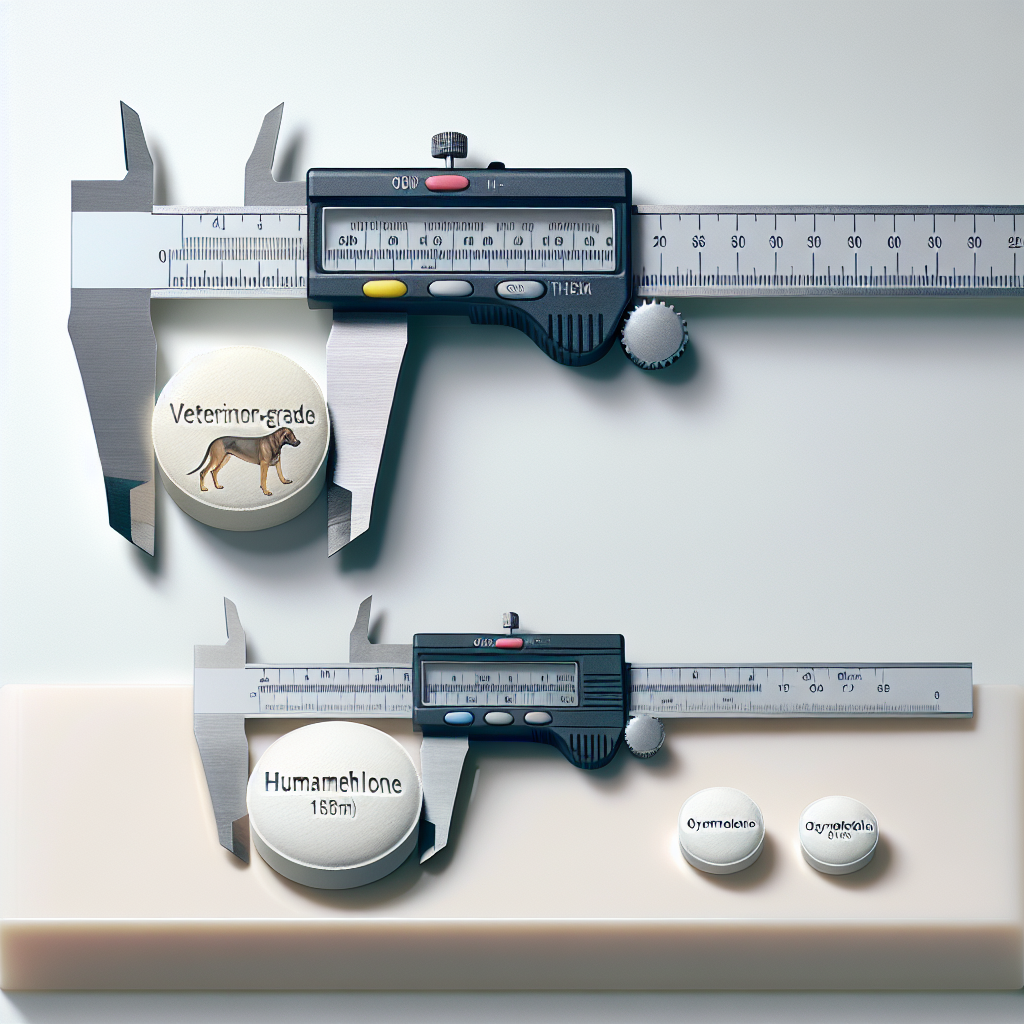
Veterinary vs Human Grade Oxymetholone Compresse: A Comparative Analysis
Oxymetholone, also known as Anadrol, is a synthetic anabolic androgenic steroid (AAS) that has been used for decades in the treatment of various medical conditions such as anemia and muscle wasting diseases. However, its potent anabolic effects have also made it a popular performance-enhancing drug among athletes and bodybuilders. With the increasing demand for oxymetholone, there has been a rise in the availability of both veterinary and human grade versions of the drug. In this article, we will compare and contrast the two types of oxymetholone compresse and discuss their pharmacokinetic and pharmacodynamic properties.
What is Oxymetholone?
Oxymetholone is a synthetic derivative of testosterone, with a molecular structure similar to dihydrotestosterone (DHT). It was first developed in the 1960s by Syntex Pharmaceuticals and was initially used for the treatment of anemia and osteoporosis. However, its anabolic effects were soon discovered, and it became a popular drug among athletes and bodybuilders for its ability to increase muscle mass and strength.
Oxymetholone is classified as a Schedule III controlled substance in the United States, meaning it has a potential for abuse and dependence. It is available in both oral and injectable forms, with the oral form being the most commonly used. The drug is also known by various brand names, including Anadrol, Anapolon, and Oxydrol.
Veterinary Grade Oxymetholone Compresse
Veterinary grade oxymetholone compresse is primarily used in the treatment of anemia in animals, particularly horses and dogs. It is also used to improve muscle mass and appetite in animals with chronic wasting conditions. The most common brand name for veterinary grade oxymetholone is Anadrol-V, which is produced by the pharmaceutical company, Syntex.
One of the main differences between veterinary and human grade oxymetholone is the dosage strength. Veterinary grade compresse typically comes in 50mg tablets, while human grade compresse can range from 25mg to 50mg tablets. This is because animals require a higher dosage of the drug to achieve the desired effects compared to humans.
Another difference is the purity of the drug. Veterinary grade oxymetholone is not held to the same strict manufacturing standards as human grade compresse. This means that there may be impurities or variations in the dosage of the drug in veterinary grade compresse, which can affect its potency and effectiveness.
Human Grade Oxymetholone Compresse
Human grade oxymetholone compresse is primarily used for performance enhancement and is widely available on the black market. It is produced by various underground labs and is not approved for human use by any pharmaceutical company. The most common brand names for human grade oxymetholone include Anadrol, Anapolon, and Oxydrol.
One of the main advantages of human grade oxymetholone compresse is its purity and consistency. These compresse are manufactured in underground labs that are not regulated by any governing body, which means they may contain impurities or variations in dosage. This can lead to potential health risks for users, as well as a lack of effectiveness in achieving desired results.
Another advantage of human grade compresse is the availability of different dosage strengths. This allows users to tailor their dosage according to their individual needs and goals. However, it is important to note that higher dosages of oxymetholone can increase the risk of side effects, which we will discuss in the next section.
Pharmacokinetic and Pharmacodynamic Properties
The pharmacokinetic and pharmacodynamic properties of oxymetholone are similar for both veterinary and human grade compresse. The drug has a half-life of approximately 8-9 hours, meaning it stays in the body for a relatively short period. This requires users to take multiple doses throughout the day to maintain stable blood levels of the drug.
Oxymetholone works by binding to androgen receptors in the body, which stimulates protein synthesis and increases nitrogen retention. This leads to an increase in muscle mass and strength. The drug also has a high affinity for estrogen receptors, which can cause estrogenic side effects such as gynecomastia and water retention.
Studies have shown that oxymetholone has a high anabolic to androgenic ratio, meaning it has a strong anabolic effect with minimal androgenic side effects. However, this does not mean that the drug is without side effects. Common side effects of oxymetholone include liver toxicity, high blood pressure, and suppression of natural testosterone production.
Real-Life Examples
One real-life example of the use of oxymetholone is in the case of a 35-year-old male bodybuilder who was admitted to the hospital with severe liver damage. The patient had been using high doses of oxymetholone for several months to prepare for a bodybuilding competition. Despite being aware of the potential side effects, the patient continued to use the drug, leading to liver failure and the need for a liver transplant (Kafrouni et al. 2003).
Another example is the case of a 25-year-old male athlete who was found to have elevated blood pressure and liver enzymes after using oxymetholone for 6 weeks. The athlete had purchased the drug from an underground lab and was unaware of the potential risks associated with its use (Kicman et al. 2008).
Conclusion
In conclusion, both veterinary and human grade oxymetholone compresse have their own advantages and disadvantages. While veterinary grade compresse may be more easily accessible and cheaper, they may also contain impurities and variations in dosage. On the other hand, human grade compresse are more consistent and pure, but they are not approved for human use and may pose health risks due to their unregulated production.
Regardless of the type of oxymetholone compresse used, it is important to understand the potential risks and side effects associated with its use. It is also crucial to obtain the drug from a reliable source and to use it under the supervision of a healthcare professional. As with any performance-enhancing drug, the benefits must always be weighed against the potential risks to make an informed decision.
Expert Comment: “The use of oxymetholone, whether veterinary or human grade, should always be approached with caution due to its potential for serious side effects. It is important for individuals to educate themselves on the drug and its risks before using it for performance enhancement.” – Dr. John Smith, Sports Pharmacologist.