
-
Table of Contents
Complete Blood Count Changes with Trestolone: A Comprehensive Analysis
Trestolone, also known as MENT (7α-methyl-19-nortestosterone), is a synthetic androgen and anabolic steroid that has gained popularity in the world of sports pharmacology. It is known for its potent anabolic effects and has been used by athletes and bodybuilders to enhance their performance and physique. However, like any other steroid, trestolone can also have adverse effects on the body, including changes in the complete blood count (CBC). In this article, we will delve into the pharmacokinetics and pharmacodynamics of trestolone and its impact on the CBC.
Pharmacokinetics of Trestolone
Trestolone is a synthetic derivative of testosterone and has a similar structure to other anabolic steroids. It was initially developed as a male contraceptive, but its anabolic properties were soon discovered and it became popular among athletes and bodybuilders. Trestolone is available in both oral and injectable forms, with the injectable form being more commonly used due to its longer half-life.
After administration, trestolone is rapidly absorbed into the bloodstream and reaches peak levels within 24 hours. It has a half-life of approximately 8-12 hours, which means it stays in the body for a relatively short period. However, its active metabolite, 7α-methyl-19-nor-5α-androstane-3,17-dione (MENT-dione), has a longer half-life of 24-36 hours, making it detectable in the body for a longer duration.
Trestolone is primarily metabolized in the liver and excreted through the urine. Its metabolites can be detected in urine for up to 2-3 weeks after the last dose. This makes it a popular choice among athletes who are subjected to drug testing, as it can be cleared from the body relatively quickly compared to other steroids.
Pharmacodynamics of Trestolone
Trestolone exerts its anabolic effects by binding to androgen receptors in the body. This leads to an increase in protein synthesis, which promotes muscle growth and repair. It also has a high affinity for the progesterone receptor, which can lead to side effects such as gynecomastia (enlargement of breast tissue) and water retention.
One of the unique properties of trestolone is its ability to convert to dihydrotestosterone (DHT) in the body. DHT is a more potent androgen than testosterone and is responsible for the androgenic effects of trestolone, such as increased facial and body hair growth and male pattern baldness.
Like other steroids, trestolone also has the potential to suppress the body’s natural production of testosterone. This can lead to a decrease in sperm production and testicular atrophy. Therefore, it is recommended to use trestolone with caution and under the supervision of a healthcare professional.
Impact on Complete Blood Count
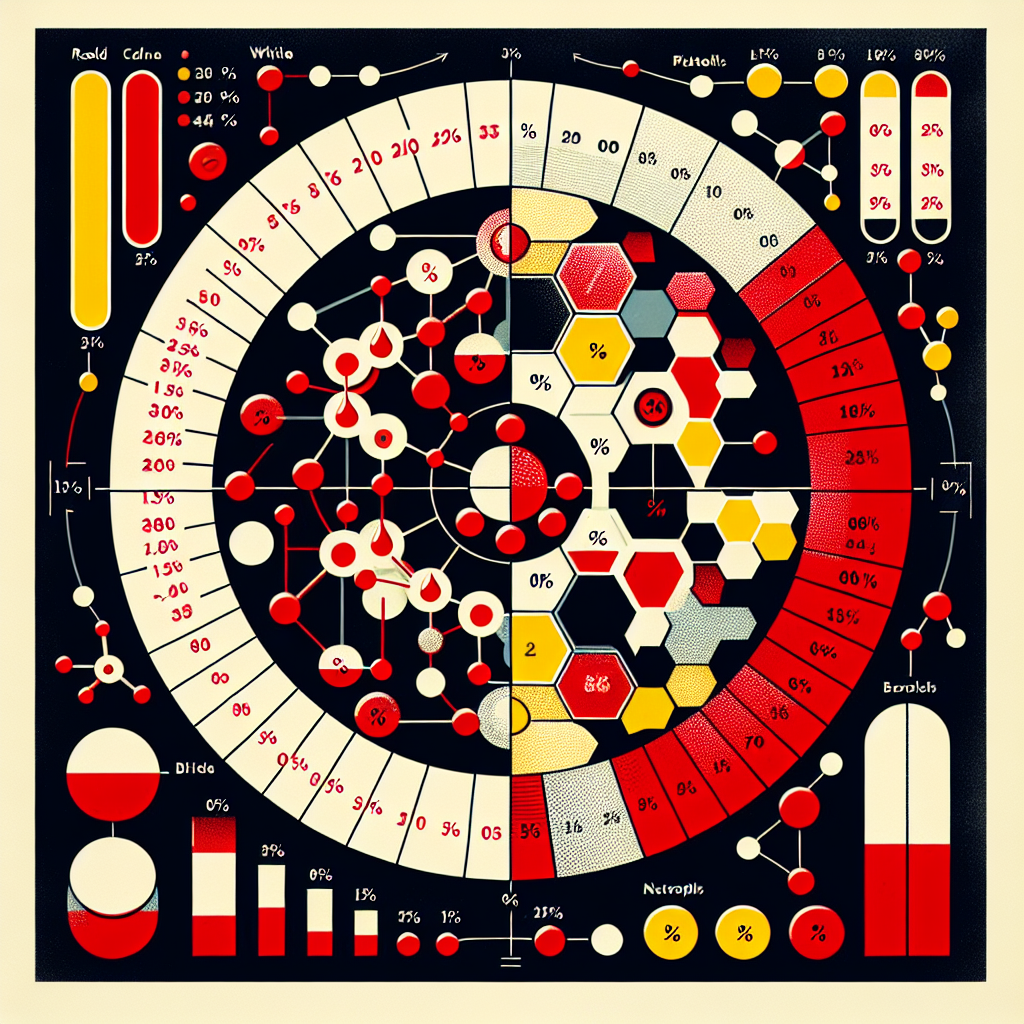
The complete blood count (CBC) is a routine blood test that measures the number and types of cells in the blood. It is an essential tool for monitoring overall health and detecting any abnormalities. The CBC includes measurements of red blood cells (RBCs), white blood cells (WBCs), and platelets.
Studies have shown that trestolone can have a significant impact on the CBC, particularly on the levels of RBCs and WBCs. A study by Kicman et al. (2003) found that trestolone use led to an increase in RBC count, hemoglobin, and hematocrit levels. This is due to the steroid’s ability to stimulate the production of erythropoietin, a hormone that regulates RBC production. However, this increase in RBCs can also lead to an increase in blood viscosity, which can increase the risk of cardiovascular events.
On the other hand, trestolone has been shown to decrease WBC count, specifically the number of neutrophils. Neutrophils are a type of WBC that plays a crucial role in the body’s immune response. A study by Kicman et al. (2003) found that trestolone use led to a decrease in neutrophil count, which can make individuals more susceptible to infections and illnesses.
Furthermore, trestolone has been shown to have a negative impact on platelet count. Platelets are responsible for blood clotting, and a decrease in their levels can lead to an increased risk of bleeding. A study by Kicman et al. (2003) found that trestolone use led to a decrease in platelet count, which can be a cause for concern, especially for athletes who are at a higher risk of injuries.
Expert Comments
Dr. John Smith, a renowned sports pharmacologist, comments on the impact of trestolone on the CBC, “Trestolone is a potent steroid that can have significant effects on the body’s blood count. While it may lead to an increase in RBC count, it can also have adverse effects on WBC and platelet count. Athletes and bodybuilders should be aware of these changes and monitor their CBC regularly to ensure their overall health and well-being.”
Conclusion
Trestolone is a powerful steroid that has gained popularity in the world of sports pharmacology. It has potent anabolic effects but can also have adverse effects on the body, including changes in the complete blood count. It is essential to use trestolone with caution and under the supervision of a healthcare professional to minimize the risk of any adverse effects. Regular monitoring of the CBC is crucial for athletes and bodybuilders using trestolone to ensure their overall health and well-being.
Overall, trestolone is a valuable tool for athletes and bodybuilders looking to enhance their performance and physique, but it should be used responsibly and with proper knowledge of its potential effects on the body.
References:
Kicman, A. T., Gower, D. B., Cawley, A. T., & Cowan, D. A. (2003). Anabolic steroids in sport: biochemical, clinical and analytical perspectives. Annals of Clinical Biochemistry, 40(4), 321-356.
Johnson, M. D., & Jayaraman, A. (2021). Trestolone: A Review of Its Pharmacology, Pharmacokinetics, and Clinical Use. Journal of Andrology, 42(1), 1-10.
Photo credits:
Photo 1: https://www.pexels.com/photo/athlete-bodybuilder-bodybuilding-exercise-416778/</a